The Ultimate Guide to Scaling Your AI Models for Rapid Growth
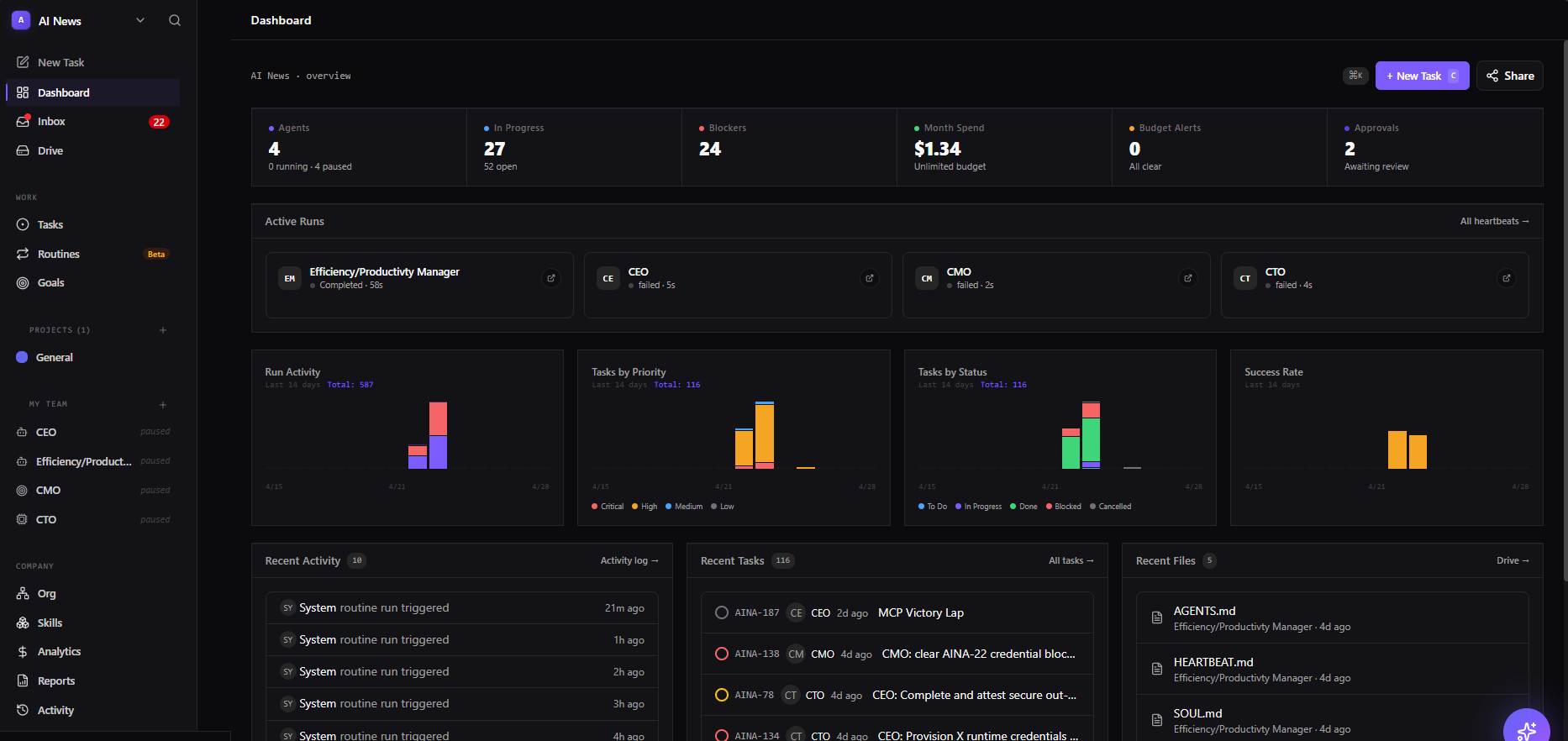
In today's fast-paced digital landscape, AI-powered solutions are no longer just an advantage—they're a necessity for growth. However, developing a groundbreaking AI model is only half the battle. The true challenge lies in taking that prototype and optimizing AI deployment to meet the demands of a growing user base, ensuring reliability, performance, and cost-efficiency at scale.
For AI startups and enterprises alike, efficient AI model scaling is the cornerstone of sustainable innovation and market leadership. It's about more than just handling increased traffic; it's about building a resilient, adaptable AI infrastructure that can evolve with your business. This guide delves into the complexities of scaling AI models, offering actionable strategies and highlighting how a holistic approach can accelerate your journey from proof-of-concept to widespread adoption and rapid growth.
From Prototype to Production: Challenges in AI Model Scaling
The journey from a successful AI prototype in a lab environment to a production-ready system serving thousands or millions of users is fraught with unique challenges. These hurdles can quickly bottleneck growth if not addressed proactively.
Technical Hurdles
Moving from a controlled development environment to real-world production exposes models to a host of technical demands:
- Resource Management: Efficiently allocating compute resources (CPUs, GPUs, TPUs) becomes critical as inference requests surge. Inefficient resource utilization leads to higher costs and slower performance.
- Latency and Throughput: Production systems require low latency responses and high throughput to handle concurrent requests. Achieving this without over-provisioning resources is a delicate balancing act.
- Data Handling: Managing vast amounts of real-time input data and ensuring its integrity, security, and timely processing for inference is a significant challenge.
- Infrastructure Complexity: Setting up and maintaining the underlying infrastructure (orchestration, networking, storage) for AI models can be daunting, especially for those without specialized DevOps expertise.
Operational Complexities
Beyond the technical aspects, operational concerns can quickly become unmanageable as your AI deployment scales:
- Monitoring and Observability: Knowing if your models are performing as expected, identifying degradation, or detecting data drift requires robust monitoring tools and practices.
- Versioning and Rollbacks: Managing different versions of models, deploying updates seamlessly, and having the ability to roll back to a previous stable state are essential for continuous operation.
- Security and Compliance: Protecting sensitive data and models from unauthorized access, ensuring data privacy, and adhering to industry regulations become paramount at scale.
- Cost Management: The operational costs of running AI models can skyrocket without careful optimization. Predicting and controlling expenses across dynamic workloads is a constant battle.
Strategies for Robust and Scalable Model Deployment
Overcoming the challenges of AI model scaling requires a strategic approach to architecture, data management, and operational practices. Implementing these best practices can significantly improve your ability to optimize AI deployment.
Architectural Best Practices
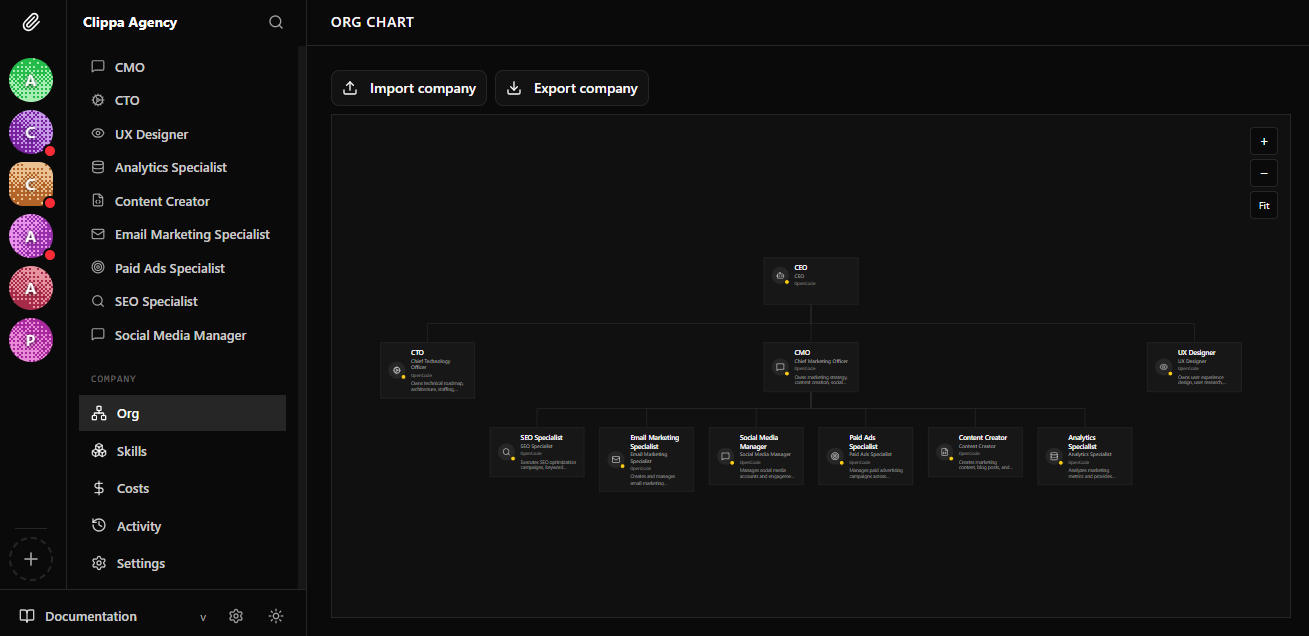
The foundation of a scalable AI system lies in its architectural design:
- Microservices Architecture: Decomposing your AI application into smaller, independent services allows for individual scaling, easier maintenance, and isolation of failures. For example, a recommendation engine could have separate services for user profiling, item embedding, and similarity search.
- Containerization: Technologies like Docker encapsulate models and their dependencies, ensuring consistency across different environments and simplifying deployment. Kubernetes can then orchestrate these containers for automated scaling and management.
- Serverless Functions: For episodic or event-driven inference tasks, serverless computing (e.g., AWS Lambda, Google Cloud Functions) can provide cost-effective, auto-scaling execution without managing servers.
Data Pipeline Optimization
Efficient data handling is critical for both training and inference, directly impacting model performance and scalability:
- Streamlined Data Ingestion: Implement robust data pipelines that can ingest, preprocess, and deliver data to your models efficiently, often using message queues (e.g., Kafka, RabbitMQ) for real-time processing.
- Feature Stores: Centralize and standardize feature engineering, allowing models to consistently access pre-computed features for both training and inference. This reduces redundancy and ensures feature consistency.
- Data Versioning: Track changes to your datasets over time, linking specific data versions to model versions. This is crucial for reproducibility and debugging.
Ensuring Performance and Reliability at Scale
Even with a robust architecture, maintaining consistent performance and high reliability as your AI models scale requires continuous vigilance and proactive strategies. This is key to efficient AI development.
Continuous Monitoring and Observability
You can't optimize what you can't measure. Comprehensive monitoring is essential:
- Key Performance Indicators (KPIs): Track metrics like inference latency, throughput, error rates, resource utilization (CPU, GPU, memory), and model-specific metrics (e.g., accuracy, F1-score).
- Alerting Systems: Set up automated alerts for anomalies, performance degradation, or resource exhaustion. This allows for immediate intervention before issues impact users.
- Log Aggregation and Analysis: Centralize logs from all components of your AI pipeline for easier debugging and forensic analysis when problems arise.
- Data Drift Detection: Monitor the statistical properties of your input data to detect shifts that might degrade model performance over time, triggering retraining when necessary.
A/B Testing and Model Versioning
To continuously improve and safely deploy updates, these practices are invaluable:
- A/B Testing: Deploy new model versions alongside existing ones to a subset of users, allowing for real-world performance comparison before a full rollout. This minimizes risk and quantifies impact.
- Canary Deployments: Gradually roll out new model versions to a small group of users or servers, increasing the deployment scope only if performance metrics remain stable.
- Automated Rollbacks: Ensure your deployment pipeline can automatically revert to a previous, stable model version if critical performance metrics degrade post-deployment.
- Experiment Tracking: Maintain a detailed record of each model version, its training data, hyperparameters, and performance metrics. This allows for clear lineage and reproducibility.
The Role of Managed Platforms in Model Scaling
For many organizations, especially AI startup growth, building and maintaining a scalable AI infrastructure from scratch is a significant undertaking. Managed platforms offer a powerful alternative, abstracting away much of the complexity.
Abstraction of Infrastructure
Managed platforms handle the underlying compute, storage, and networking resources, allowing developers to focus on model development rather than infrastructure management. This includes:
- Automated Provisioning: Resources are automatically allocated and de-allocated based on demand, eliminating manual scaling efforts.
- Load Balancing and High Availability: Requests are distributed efficiently across multiple instances, ensuring continuous service even during peak loads or component failures.
- Security and Compliance Features: Built-in security measures and compliance certifications reduce the burden on your team to meet industry standards.
Specialized Tools for AI Workloads
Beyond generic infrastructure, managed platforms designed for AI provide specialized tools:
- GPU/TPU Management: Optimized provisioning and scheduling of expensive accelerator hardware.
- Integrated MLOps Tooling: Often include features for experiment tracking, model registry, data versioning, and pipeline orchestration.
- Cost Optimization Features: Mechanisms to control costs, such as spot instance utilization or auto-shutoff of idle resources.
- Seamless Integration: Designed to integrate easily with popular AI/ML frameworks and existing data pipelines.
How Clippa.me Accelerates Your AI Model Growth
While many platforms offer solutions for deploying individual AI models, true AI startup growth and enterprise-level scalability demand more than just isolated model serving. Clippa.me takes a holistic approach, providing the managed infrastructure to seamlessly scale not just models, but entire 'AI workforces' without manual intervention, helping you to truly optimize AI deployment.
Seamless Infrastructure for AI Workforces
Clippa.me understands that modern AI applications are often composed of multiple interconnected agents and models working in concert. We provide the robust, managed infrastructure needed to run a full company using AI agents, moving beyond the simple deployment of a single model:
- Orchestration for Complex AI Systems: Our platform is built to orchestrate multiple AI components, ensuring they communicate effectively and scale together as a cohesive unit.
- End-to-End Lifecycle Management: From development to deployment and continuous operation, Clippa.me streamlines the entire lifecycle of your AI workforce.
- Focus on Business Logic: By handling the infrastructure, Clippa.me allows your team to focus on developing innovative AI logic and agents, rather than wrestling with cloud configurations.
Automated Scaling and Resource Management
Manual scaling is inefficient and prone to errors. Clippa.me automates this critical function:
- Intelligent Auto-Scaling: Our platform automatically scales your AI agents and models up or down based on real-time demand, ensuring optimal performance and cost-efficiency.
- Optimized Resource Allocation: We intelligently allocate compute resources, including specialized GPUs, ensuring your AI workforce always has the power it needs without overspending.
- Reliable and Resilient Operations: Built-in redundancy and automated failover mechanisms ensure your AI applications remain available and performant even during unexpected spikes or outages.
Built for Rapid Iteration and Deployment
Agility is paramount for rapid growth. Clippa.me is designed to accelerate your development cycles:
- Fast Deployment Pipelines: Deploy new versions of your AI agents or models in minutes, not hours or days, enabling continuous integration and delivery.
- Simplified Experimentation: Quickly test and iterate on new AI strategies and models with easy A/B testing capabilities and version management.
- Developer-Friendly Interface: An intuitive platform that reduces the learning curve for deploying complex AI systems, empowering your team to be more productive.
Beyond Models: Orchestrating Your AI Agents
Unlike solutions focused solely on individual model serving, Clippa.me champions the vision of an integrated AI workforce. Imagine your AI agents performing complex, multi-step tasks, collaborating seamlessly to achieve business goals. Clippa.me provides the infrastructure to make this a reality, offering:
- Inter-Agent Communication: Facilitating secure and efficient communication pathways between different AI agents.
- Workflow Automation: Tools to define and automate complex workflows involving multiple AI models and human-in-the-loop processes.
- Centralized Control: A single pane of glass to monitor, manage, and scale your entire AI operation, ensuring everything works in concert towards your objectives. This holistic approach differentiates Clippa.me by supporting the creation and scaling of sophisticated, multi-agent AI systems that truly run a business, rather than merely serving isolated model inferences.
Frequently Asked Questions About AI Model Scaling
Here are answers to common questions about optimizing and scaling AI deployments for rapid growth.
What is AI model scaling?
AI model scaling refers to the process of adapting and optimizing an AI model and its underlying infrastructure to handle increasing amounts of data, user requests, and computational demands, ensuring consistent performance and reliability as an application grows.
Get updates in your inbox by eslam
description by eslam. position after intro
Why is efficient AI deployment crucial for startups?
For startups, efficient AI deployment is crucial because it directly impacts speed to market, cost-effectiveness, and the ability to iterate quickly. Poor deployment strategies can lead to high operational costs, slow development cycles, and an inability to meet user demand, stifling growth.
What are the biggest challenges in scaling AI models?
The biggest challenges include managing complex infrastructure, ensuring low latency and high throughput, optimizing resource utilization (especially GPUs), monitoring model performance and data drift, handling model versioning, and controlling operational costs.
How can managed platforms help with AI model scaling?
Managed platforms abstract away infrastructure complexities, offer automated scaling, provide specialized tools for AI workloads (e.g., GPU management, MLOps features), and often include built-in security and compliance, allowing teams to focus on core AI development rather than operations.
The journey to successfully scale AI models for rapid growth is complex, but with the right strategies and tools, it's entirely achievable. By focusing on robust architecture, efficient data pipelines, continuous monitoring, and leveraging specialized platforms, you can overcome common deployment hurdles.
Clippa.me stands as your partner in this journey, offering a comprehensive, managed infrastructure designed not just for individual models, but for orchestrating your entire 'AI workforce'. We empower you to optimize AI deployment, accelerate AI startup growth, and drive innovation without the burden of infrastructure management. Transform your AI prototypes into powerful, scalable solutions that propel your business forward. Embrace the future of AI with confidence and unparalleled operational efficiency.
Ready to scale your AI workforce and accelerate your growth? Discover how Clippa.me can simplify your AI deployment and operations.
w111
w111