Build Your AI Team: Revolutionizing Talent Acquisition with AI Workforces
To build an AI team means strategically integrating intelligent agents and automated systems into your organizational structure, fundamentally reshaping traditional talent acquisition and workforce management. This paradigm shift enables companies to augment human capabilities, automate repetitive tasks, and unlock new levels of efficiency and innovation across various functions. The era of purely human workforces is evolving, giving way to dynamic collaborations between people and advanced AI systems.
Rethinking Talent: The Shift Towards AI Team Composition
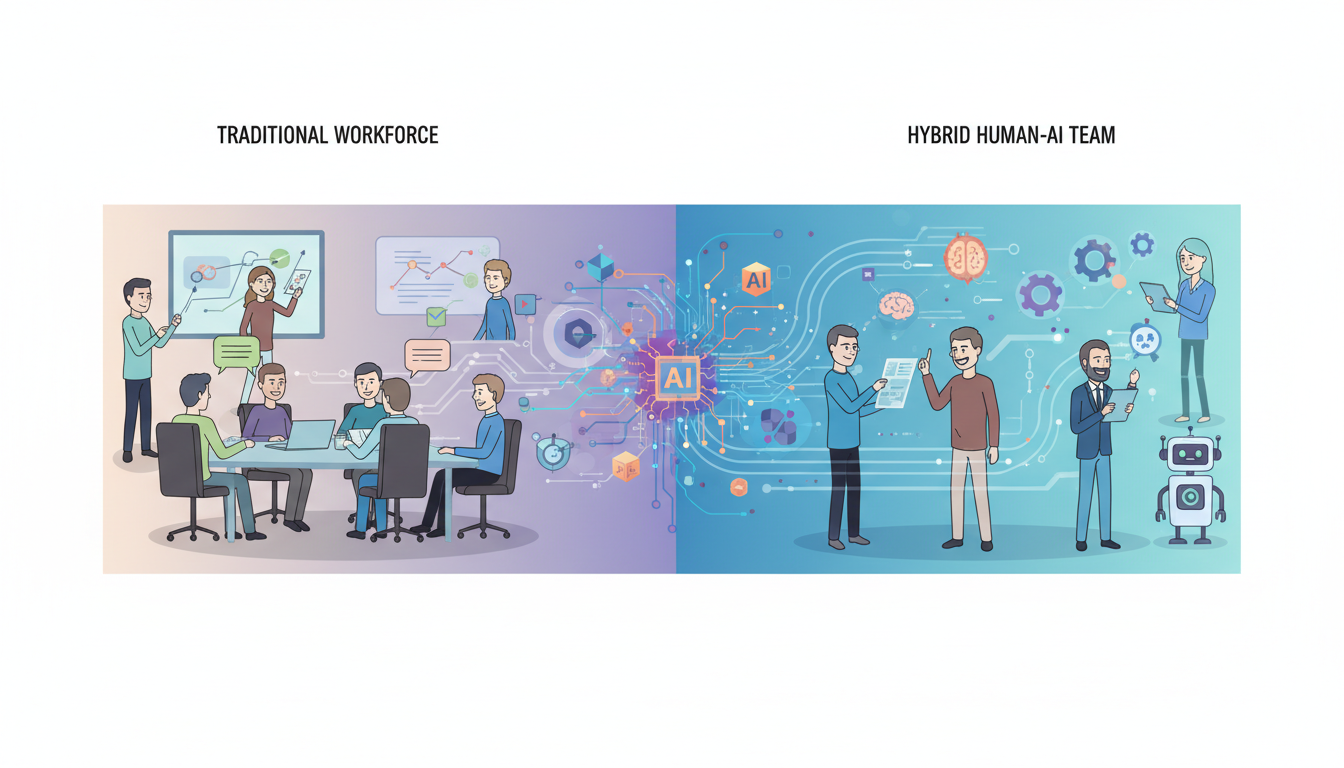
The traditional talent landscape is undergoing a profound transformation. Companies are no longer solely focused on hiring human talent; they are now actively looking to build AI teams that can operate autonomously or in concert with their human counterparts. This strategic move is driven by the need for enhanced scalability, round-the-clock operation, and data-driven precision.
The shift to an AI team composition represents a strategic evolution, not a replacement. AI workforces are designed to handle tasks that are often tedious, data-intensive, or require extreme speed and accuracy, freeing human employees to focus on more complex, creative, and strategic endeavors. This hybrid model allows organizations to maximize their overall productivity and responsiveness.
Embracing AI team composition means redefining job roles and organizational structures. It requires understanding which tasks are best suited for AI automation and which demand human oversight, creativity, and emotional intelligence. The result is a more resilient, agile, and efficient enterprise, prepared for the challenges of the modern business environment.
Identifying Key Roles for Your AI Workforce
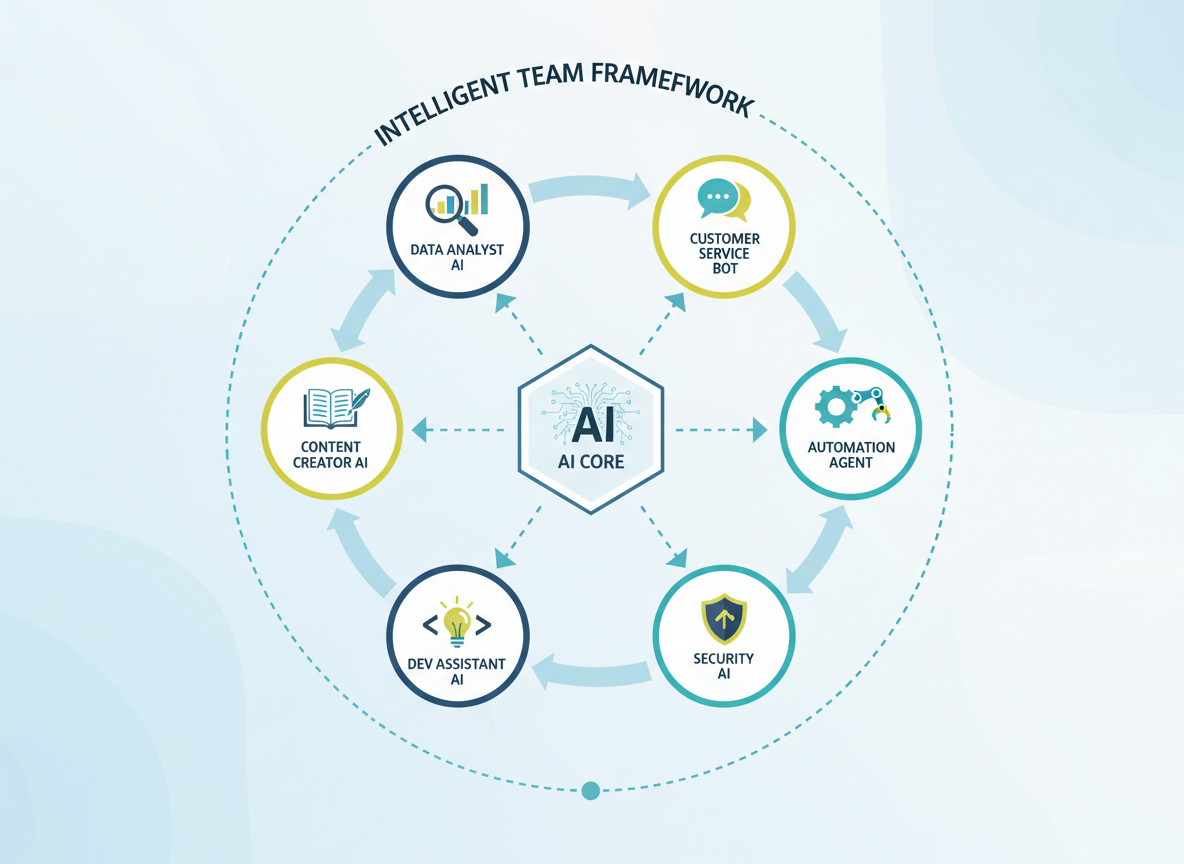
Just as you define roles for human employees, successfully building an AI team requires clearly identifying and designing specific AI 'roles' or 'agents'. These roles are tailored to execute predefined tasks and workflows, contributing to your overarching business objectives. The types of AI roles are diverse and continually expanding, reflecting the growing capabilities of artificial intelligence.
Consider these examples of essential AI roles in a modern workforce:
- Data Analysis Agents: These AIs can process vast datasets, identify trends, generate reports, and provide insights far quicker than human analysts, supporting strategic decision-making.
- Customer Service Bots: From chatbots handling routine queries to advanced conversational AIs providing personalized support, these agents improve customer experience and reduce response times.
- Content Generation AIs: Capable of drafting marketing copy, technical documentation, or social media posts, they streamline content creation workflows.
- Automation Agents: These AIs automate repetitive back-office tasks like data entry, invoice processing, or compliance checks, drastically reducing errors and operational costs.
- Software Development Assistants: AI agents can assist developers by writing code snippets, debugging, and even generating test cases, accelerating software delivery.
Defining these roles involves assessing your current operational bottlenecks and identifying areas where AI can provide significant leverage. It's about mapping business needs to specific AI capabilities to build an AI team that is both effective and efficient.
Strategies for Integrating AI and Human Collaboration
Building an effective AI team isn't just about deploying AI agents; it's about fostering seamless collaboration between humans and AI. This integration requires thoughtful strategies to maximize efficiency and maintain a harmonious work environment. A well-integrated human-AI team outperforms either component working in isolation.
Key strategies for successful human-AI collaboration include:
- Clear Role Definition: Establish explicit boundaries for tasks handled by AI and those requiring human intervention. Humans should focus on tasks demanding creativity, critical thinking, and emotional intelligence, while AI handles repetitive, data-heavy operations.
- Intuitive Interfaces: Provide human team members with user-friendly dashboards and tools to interact with, monitor, and manage AI agents. This reduces friction and increases adoption.
- Continuous Feedback Loops: Implement mechanisms for humans to provide feedback to AI systems, enabling iterative learning and performance improvement. Conversely, AI can offer insights to humans for better decision-making.
- Upskilling and Training: Prepare your human workforce by providing training on how to work alongside AI, understand its outputs, and leverage its capabilities. This reduces apprehension and fosters a collaborative mindset.
- Ethical Guidelines and Oversight: Establish clear ethical principles for AI use and ensure human oversight to mitigate bias, ensure accountability, and prevent unintended consequences. Regular audits are crucial.
By strategically integrating AI into your team, you create a synergistic environment where humans and machines complement each other's strengths, leading to enhanced problem-solving and innovation.
Overcoming Challenges in AI Workforce Deployment
While the benefits of an AI workforce are substantial, deploying and managing such a team comes with its own set of challenges. Addressing these proactively is critical to successfully build an AI team and ensure its long-term viability and positive impact.
Common hurdles in AI workforce deployment include:
- Data Privacy and Security: AI systems often require access to sensitive data. Ensuring robust data protection, compliance with regulations like GDPR, and preventing breaches is paramount. This demands secure environments and stringent access controls.
- Ethical AI and Bias Mitigation: AI models can inadvertently perpetuate or amplify existing biases if not carefully designed and monitored. Establishing ethical frameworks and implementing rigorous testing for fairness is essential to avoid discriminatory outcomes.
- Integration Complexity: Integrating new AI agents with existing legacy systems and diverse software platforms can be technically challenging. It requires robust APIs, middleware, and a clear architectural strategy.
- Performance Management and Monitoring: Unlike human employees, managing AI agent performance requires specialized tools. Monitoring uptime, accuracy, efficiency, and resource utilization is crucial for optimal operation.
- Upskilling Human Teams: A significant challenge is ensuring the human workforce is prepared and enthusiastic about working alongside AI. Resistance to change or a lack of necessary skills can hinder adoption. Comprehensive training and change management strategies are vital.
Overcoming these challenges requires a strategic approach, technical expertise, and a commitment to continuous learning and adaptation. Investing in the right platform and processes can significantly mitigate these risks and accelerate the successful deployment of your AI workforce.
Clippa.me: Your Platform for Assembling a Complete AI Workforce
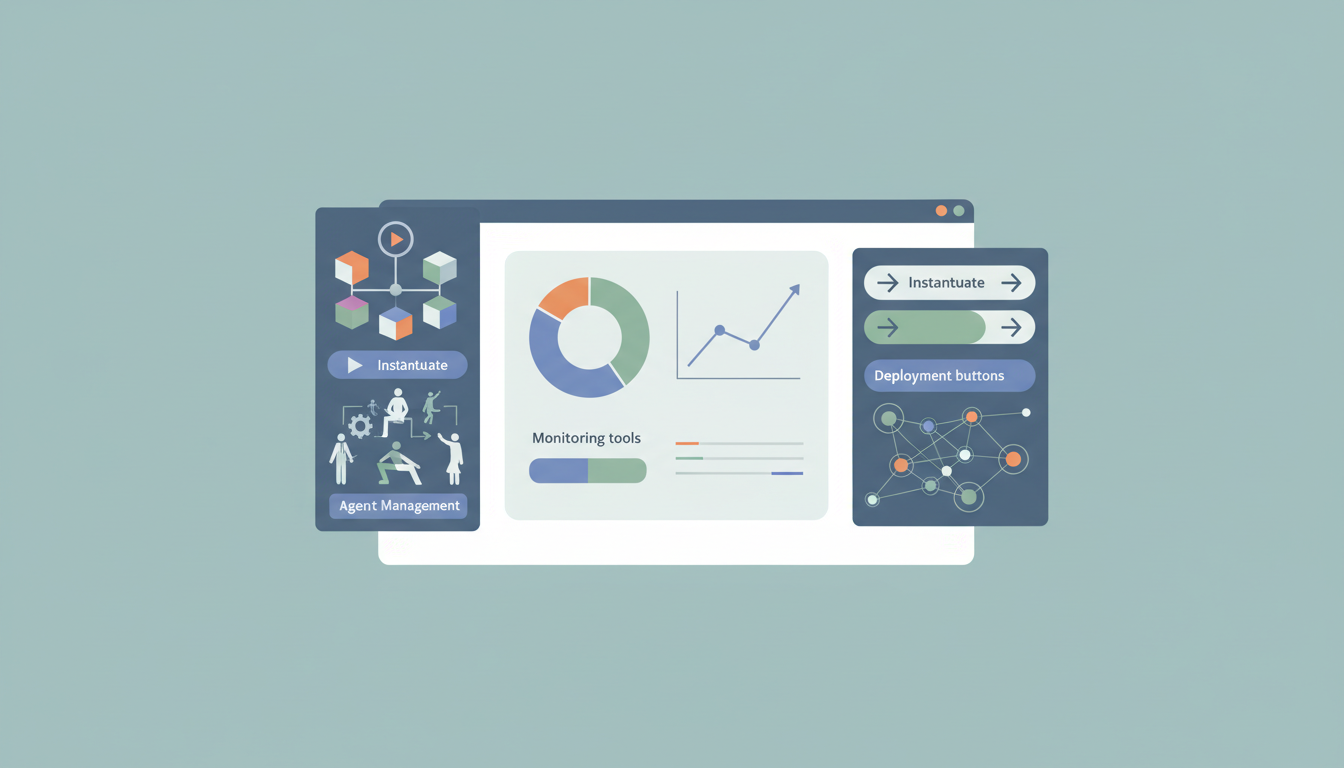
To truly build an AI team that drives growth and innovation, you need a robust, managed environment. This is where Clippa.me steps in, offering a comprehensive platform designed specifically for instantiating and managing a complete AI workforce. Clippa.me empowers businesses to define, deploy, and oversee AI agents with unprecedented ease and control, turning the vision of an AI-powered enterprise into reality.
Clippa.me provides the infrastructure for you to:
- Define AI Roles with Precision: Easily configure and customize AI agents for specific tasks, from advanced data analysis to complex customer interactions. Our intuitive interface allows you to sculpt each AI's capabilities to perfectly match your business needs.
- Seamless Deployment and Integration: Deploy your AI workforce across various departments and integrate them with your existing systems without complex coding. Clippa.me handles the underlying technical complexities, allowing you to focus on strategic implementation.
- Centralized Management and Monitoring: Gain a single pane of glass to monitor the performance, activity, and contributions of your entire AI team. Track key metrics, identify bottlenecks, and ensure your AI agents are operating at peak efficiency.
- Scalability on Demand: Whether you need a small team of specialized AI agents or a large, interconnected AI workforce, Clippa.me scales with your business needs, allowing you to grow your AI capabilities without infrastructure limitations.
- Secure and Ethical Operations: Built with enterprise-grade security and ethical AI principles in mind, Clippa.me ensures your AI workforce operates within safe boundaries, protecting your data and maintaining trust.
With Clippa.me, you're not just adopting AI; you're actively building an intelligent, dynamic, and scalable workforce that integrates seamlessly into your operations, driving unparalleled productivity and opening new avenues for innovation. It transforms the daunting task of AI integration into a straightforward, powerful process.
Get updates in your inbox by eslam
description by eslam. position after intro
Frequently Asked Questions About Building an AI Team
Q: What is an AI workforce?
An AI workforce refers to a collection of intelligent software agents and automated systems that perform tasks traditionally done by humans or augment human capabilities within an organization, operating either autonomously or collaboratively with human employees.
Q: How do I identify which tasks are suitable for AI agents?
Look for tasks that are repetitive, data-intensive, rule-based, require high precision, or involve processing large volumes of information. These are prime candidates for AI automation, freeing human teams for more strategic work.
Q: What skills are needed for managing an AI team?
Key skills include understanding AI capabilities, data analytics, project management, change management, ethical reasoning, and a strong focus on human-AI collaboration. Technical proficiency in AI platforms like Clippa.me is also beneficial.
The journey to build an AI team is a strategic imperative for businesses aiming to thrive in the modern economy. By thoughtfully designing AI roles, fostering robust human-AI collaboration, and proactively addressing deployment challenges, organizations can unlock unprecedented levels of efficiency, innovation, and competitive advantage. Platforms like Clippa.me simplify this complex undertaking, providing the tools and environment necessary to assemble and manage a complete, high-performing AI workforce. Embrace the future of talent acquisition and transform your operational capabilities today.
w111
w111